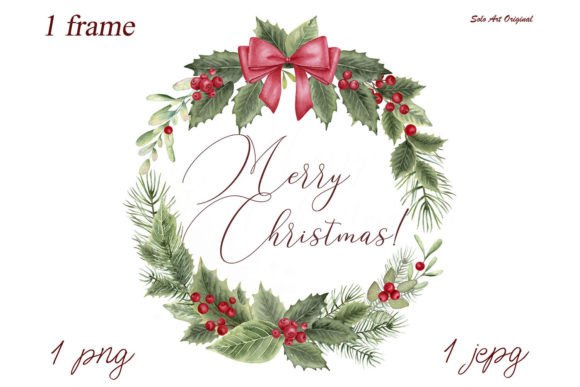
Reviewing the Christmas Wreath Frame with Holly Berries
As an embroidery designer who has spent countless hours digitizing and stitching holiday motifs, I approach every new machine embroidery design with a mix of curiosity and skepticism. The market is saturated with seasonal graphics, but few strike the right balance between aesthetic charm and technical stitchability. Recently, I tested the Christmas Wreath,frame,holly Berries design to see if it holds up under the needle for real-world commercial and personal projects. This isn’t just about how it looks on a screen; it’s about how it performs on fabric, how it wears after washing, and whether it adds genuine value to a handmade product.
First Impressions: Mood and Visual Personality
The first thing that strikes you about this piece is its classic, timeless appeal. It falls squarely into the category of traditional Illustrations that evoke warmth and nostalgia. The layout features a structured frame adorned with holly leaves and berries, creating a natural border that invites customization. For a designer, this structure is gold. It provides a clear negative space in the center, making it ideal for monogramming, names, or short holiday greetings.
The visual personality is elegant yet festive. It doesn’t rely on overly complex shading or unrealistic gradients, which is a smart move for embroidery. Instead, it uses shape and color contrast to define the holly berries against the greenery. This simplicity ensures that the design remains legible even when scaled down, a crucial factor for versatility in small business merchandise.
Real-World Application: From Tote Bags to Sweatshirts
To truly evaluate an embroidery file, you have to stitch it. I started by applying the design to a canvas tote bag, a staple for any Etsy seller during the holiday rush. The result was impressive. The frame acted as a perfect anchor, giving the bag a boutique feel without overwhelming the fabric. The holly berries popped against the natural beige canvas, especially when using high-sheen rayon threads.
Next, I moved to apparel, specifically a heavy-weight cotton sweatshirt. Here, the design’s adaptability shone. Placed on the left chest, it served as a subtle, sophisticated accent for custom apparel. The satin stitch work on the leaves provided a nice texture contrast against the fleece interior and cotton exterior. For a personalized gift, adding a client’s initials in a complementary script font within the frame transformed a standard garment into a heirloom-quality item. This kind of versatility is what drives repeat customers in a craft business.
I also tested it on a kitchen towel. The absorbent terry cloth presented a challenge due to its loops, but with the right stabilizer, the running stitch outlines held firm. This proves the design’s viability for home decor items like aprons and pillow covers, expanding its utility beyond just wearable art.
Technical Performance and Stitch Quality
From a technical standpoint, the digitizing appears thoughtful. The transition between the fill stitch areas of the leaves and the satin edges is smooth, minimizing thread breaks and jumps. However, density is always a concern with wreath-style designs. In my test, the stitch count felt balanced—not so dense that it puckered the fabric, but substantial enough to cover the material completely.
One area requiring attention is the berry detail. Depending on the size you stitch, these small circular elements can sometimes become lost if the tension isn’t calibrated correctly. I recommend testing on scrap fabric first to ensure the thread colors provide enough contrast. A deep red against a forest green works beautifully, but if you’re using darker fabrics, you might need to adjust the shade of the berries or add a slight underlay to make them stand out.
Navigating Fabric Challenges and Hoop Sizes
While the design is robust, it’s not without its limitations. Using it on stretchy fabrics like jersey knits requires a cut-away stabilizer to prevent distortion. I noticed slight pulling on a thin cotton tee when I used a tear-away stabilizer, so I wouldn’t recommend this setup for lightweight garments unless you are experienced with hooping techniques.
For curved surfaces like caps, the design needs careful placement. The horizontal symmetry of the frame works well on the front panel of a dad hat, but you must ensure the hoop size accommodates the width without hitting the seam. If you are creating an embroidered patch, this design is excellent because the border contains the stitches neatly, allowing for a clean cut edge.
Dark fabrics present another variable. While the design looks stunning on navy or black, you must verify that your machine’s tension handles the contrast threads well. Sometimes, white or light-colored threads can sink into dark piles if the top tension is too loose. Always run a test stitch on a similar fabric weight and texture before committing to a final finished product.
Commercial Value and Brand Consistency
For small shop owners and digital product sellers, consistency is key. This design offers a cohesive look that can be branded across multiple product lines. Whether it’s a holiday gift tag, a limited-edition tote, or a seasonal sweatshirt collection, the Christmas Wreath,frame,holly Berries motif maintains a professional appearance. It elevates the perceived value of the item, justifying a higher price point in boutique settings.
When creating printable mockups for your online store, this design photographs well. The clear lines and distinct colors translate nicely into digital images, helping potential buyers visualize the quality of your handmade product. It’s an asset that supports both physical sales and digital previews, making it a versatile addition to your library of design assets.
Practical Designer Notes for Best Results
Before you launch this design into your production line, consider these practical steps:
- Check Licensing: Always confirm the license terms for the digital embroidery file. Ensure you have the rights to use it for commercial sales if you plan to sell finished items.
- Stabilizer Selection: Match your stabilizer to your fabric. Use cut-away for knits and stretchy materials, and tear-away for stable wovens like canvas or denim.
- Thread Contrast: Test different thread combinations. High-contrast colors highlight the details, while tonal colors create a more subtle, elegant look.
- Scale Appropriately: Verify the hoop size requirements. Do not scale the design beyond recommended limits, as this can distort stitch angles and cause coverage issues.
- Inspect Small Details: Zoom in on the berry clusters. If they appear too dense in your software, consider simplifying them or adjusting the density settings if you have the editing skills.
In conclusion, the Christmas Wreath,frame,holly Berries design is a strong contender for your holiday catalog. It balances traditional aesthetics with practical stitchability, making it suitable for a wide range of applications from baby embroidery to upscale home decor. With proper testing and attention to fabric choice, it can become a reliable staple in your commercial embroidery workflow, delighting customers and enhancing your brand’s reputation for quality.