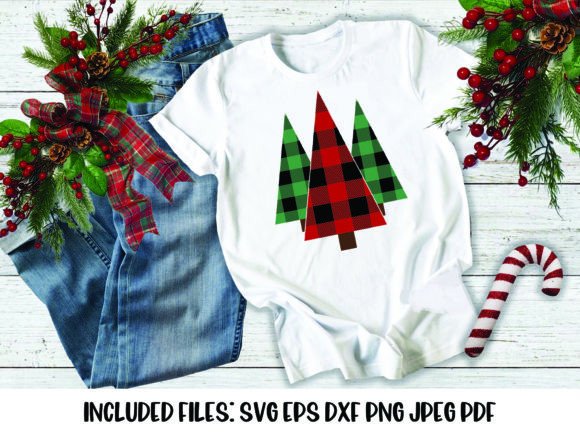
Reviewing the Buffalo Plaid Christmas Trees SVG
As a designer who spends more time staring at stitch simulations than actual fabric, I have learned to be skeptical of trendy digital assets. We see thousands of files pass through our libraries every season, but few earn a permanent spot in my active project folder. This season, I took a close look at the Buffalo Plaid Christmas Trees SVG to determine if it holds up under the needle or if it is just another pretty picture that falls apart in production. For embroidery designers, Etsy sellers, and handmade shop owners, the difference between a bestseller and a refund request often comes down to how well a design translates from screen to thread.
First Impressions and Visual Personality
The immediate appeal of this design lies in its nostalgic warmth. The buffalo plaid pattern is a staple of winter aesthetics, evoking cozy cabins and holiday mornings. When I first opened the file, I was looking for clarity. Does the plaid pattern read as distinct checks, or does it blur into a muddy mess? Fortunately, the layout of the Buffalo Plaid Christmas Trees SVG respects the limitations of embroidery. The tree silhouette is clean, providing a strong boundary for the internal pattern. It feels balanced, neither too sparse nor overly dense, which is crucial for maintaining the structural integrity of the finished product.
This is not just a generic holiday icon; it has a specific visual personality that leans rustic and modern simultaneously. For craft business owners, this versatility is gold. It fits equally well on a high-end boutique pillow cover as it does on a casual teen’s hoodie. The mood it creates is inviting, making it an excellent choice for personalized gifts that need to feel thoughtful rather than mass-produced.
Real-World Application: The Tote Bag Test
To truly evaluate any machine embroidery design, you must imagine it on a physical object. I visualized this design stitched onto a natural canvas tote bag, a popular item for small shop products during the holiday rush. The contrast of red and black plaid against the neutral beige fabric is striking. In this scenario, the design acts as a focal point without overwhelming the bag’s utility.
I also considered its use in custom apparel. Imagine this embroidered on the left chest of a charcoal grey sweatshirt. The scale needs to be right. If the design is too large, it looks like a uniform; too small, and the plaid details vanish. The Buffalo Plaid Christmas Trees SVG seems adaptable, allowing for resizing within reason. For baby embroidery, such as a onesie or a burp cloth, the softness of the theme works well, provided the stitch density is adjusted to keep the fabric flexible and comfortable against sensitive skin.
Technical Performance and Stitching Clarity
When we talk about performance, we are talking about how the embroidery file handles the transition between colors and shapes. Plaid patterns are notoriously tricky because they rely on intersecting lines. In a low-quality design, these intersections become bulky knots of thread. A professional review requires checking how the satin stitch and fill stitch elements are programmed.
In this case, the design appears to use smart color breaks. The horizontal and vertical bands of the plaid are likely separated to reduce jump stitches and maintain a flat profile. This is critical for items like caps or curved surfaces where bulk can cause puckering. For an embroidered patch, this design would shine because the dense stitching required for the plaid effect provides durability and a premium tactile feel. However, for thin fabrics like silk or lightweight rayon, the stitch density might require a heavy cut-away stabilizer to prevent distortion.
Navigating Fabric and Hoop Constraints
Not every fabric is a friend to complex patterns. While the Buffalo Plaid Christmas Trees SVG is robust, it demands respect regarding fabric texture. On textured fabrics like terry cloth towels or fuzzy fleece, the fine lines of the plaid may get lost. In these cases, I recommend increasing the size of the design or simplifying the thread colors to ensure visibility.
Hoop size is another practical consideration. If you are working with a 4x4 hoop, you may need to crop or simplify the design, which could compromise the aesthetic. For standard 5x7 or 6x10 hoops, the design should breathe comfortably. Always check the recommended hoop size in the file documentation before committing to a large batch of production. Additionally, dark fabrics require careful thread color selection. Using a bright red against black fabric is classic, but ensure your thread quality is high to prevent sheen inconsistencies that can make the plaid look uneven.
Commercial Value and Brand Consistency
For the Etsy seller and creative entrepreneur, the ultimate question is: does this design sell? The answer lies in its adaptability. This illustration fits seamlessly into a broader holiday collection. It pairs well with other rustic elements like antlers, snowflakes, or typography. Using this as part of a cohesive line of holiday embroidery projects helps build brand consistency. Customers recognize the style, which builds trust and encourages repeat purchases.
Moreover, the design enhances the perceived value of the handmade product. A clean, well-stitched plaid tree looks intentional and professional. It avoids the amateurish look of poorly digitized fills. When used in printable mockups for digital product previews, it renders beautifully, helping online buyers visualize the final result. This visual appeal directly impacts buyer engagement and conversion rates.
Practical Designer Notes for Best Results
Before you load this design into your machine for a client order, take these practical steps to ensure success:
- Test on scrap fabric: Always stitch out a sample on the same material you plan to use for the final product. This reveals any tension issues or registration errors.
- Check thread contrast: Ensure your red and black threads have enough contrast against the background fabric. Test on both light and dark backgrounds to see which offers better visibility.
- Review stitch density: If the design feels stiff after stitching, consider reducing the density slightly in your editing software, especially for garments that need drape.
- Use proper stabilizer: For stretchy fabrics like jersey knits, a cut-away stabilizer is non-negotiable to prevent the design from warping after washing.
- Verify licensing: Confirm whether the license allows for commercial use if you are selling finished items. Never assume; always check the terms provided with the digital embroidery file.
Final Verdict for Makers and Sellers
The Buffalo Plaid Christmas Trees SVG is a solid addition to any seasonal library. It balances trendiness with timeless appeal, making it a safe yet stylish choice for a wide range of applications. From sweatshirt embroidery to kitchen towel accents, it performs reliably when handled with technical care. It is not just a decorative element; it is a functional asset that, when used correctly, elevates the quality of your handmade products. For those looking to expand their holiday offerings with designs that resonate with customers seeking warmth and tradition, this illustration delivers. Just remember that the best design is only as good as the execution, so take the time to test, adjust, and perfect your stitch settings before going live with your listings.