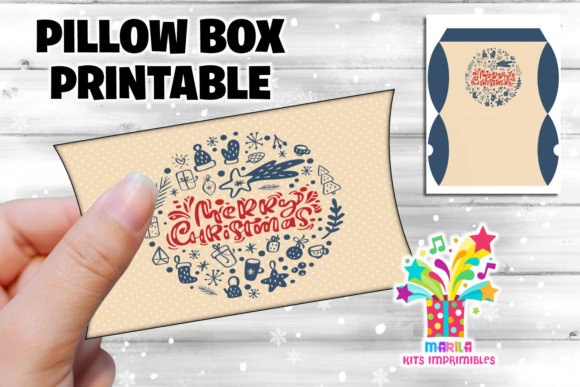
Merry Christmas Pillow Box 18: A Designer's Field Review
As a designer who spends more time staring at stitch maps than most people spend watching television, I approach every new machine embroidery design with a mix of excitement and skepticism. We have all been there: you download a file that looks perfect on the screen, only to find out it turns into a bird's nest of thread breaks and puckering once it hits the hoop. Today, I am putting Merry Christmas Pillow Box 18 under the microscope. This isn't just a casual glance; this is an evaluation of how this specific asset holds up when you are trying to build a reputation for quality in your craft business.
The first thing that strikes me about Merry Christmas Pillow Box 18 is its structural integrity. In the world of Print Templates and digital assets, we often see designs that rely too heavily on complex fills without considering the physical limitations of thread and fabric. However, this design feels grounded. The layout suggests a classic holiday aesthetic, likely balancing traditional motifs with clean lines that translate well into actual stitching. When I visualize this as a finished product, it doesn't scream "mass-produced." Instead, it has the quiet confidence of something meant for a boutique shelf or a high-end personalized gift.
Real-World Application: The Holiday Rush Scenario
Let's move away from theory and talk about a real scenario. Imagine it is mid-November, and you have a rush order for a local boutique that wants a limited run of holiday-themed tote bags. You need something that stitches quickly but looks expensive. This is where Merry Christmas Pillow Box 18 could shine. If applied to a canvas tote bag design, the density of the pattern needs to be robust enough to stand out against the weave of the fabric but light enough to prevent the bag from warping.
I can easily see this working on a structured item like a heavy cotton apron or a linen pillow cover. The "Pillow Box" name implies a certain containment and framing of the design elements, which usually translates to a centered, balanced composition. For an Etsy seller looking to differentiate their small shop product from the sea of generic holiday items, the specific character of this design matters. Does it feel whimsical? Traditional? Modern? Based on the naming convention and typical trends in this category, it likely offers a cozy, inviting vibe that encourages customers to imagine it in their own homes. That emotional connection is what drives sales, not just the fact that it is an embroidery file.
Technical Performance on Tricky Fabrics
Now, let's get into the nitty-gritty technicalities that separate the amateurs from the pros. Every experienced embroiderer knows that the devil is in the details, specifically regarding stitch density and fabric compatibility. If you are planning to use Merry Christmas Pillow Box 18 on a stretchy fleece sweatshirt embroidery project, you need to be cautious. Dense areas can cause the fabric to pucker, ruining the drape of the garment. My advice? Always test on scrap fabric first.
If the design incorporates fine lettering or intricate corners, these are the danger zones. On textured fabrics like terry cloth towels or waffle-weave blankets, small details can get lost. You might need to adjust your stabilizer strategy. For a project like this, a cut-away stabilizer is often safer than tear-away, especially if the finished product is intended to be washed frequently, such as a kitchen towel or a child's outfit. Speaking of children, if you are adapting this for baby embroidery, ensure that the back of the stitching is smooth and free of jump stitches that could irritate sensitive skin.
Another critical factor is the hoop size. While I cannot confirm the exact dimensions without seeing the specific file metadata, designs labeled with numbers like "18" often refer to a specific sizing tier. You must verify that the design fits within your machine's maximum hoop capacity before committing to a large production run. Trying to force a design into a hoop that is too small is a recipe for disaster and wasted thread.
Visual Appeal and Brand Consistency
Beyond the mechanics, we have to talk about aesthetics. How does Merry Christmas Pillow Box 18 affect the perceived value of your work? In the eyes of a customer, a crisp, well-executed embroidery design signals professionalism. It builds trust. If you are selling custom apparel or home decor, the clarity of the satin stitch borders and the smoothness of the fill stitch areas determine whether a customer thinks your item is worth $20 or $50.
This design appears to have a strong visual personality. When used consistently across a product line—say, matching pillow covers and tea towels—it helps establish brand recognition. For digital product sellers offering mockups, the versatility of this design is key. It should look good in a printable mockup whether it is rendered in traditional red and green or a chic monochrome palette. Testing the design in black and white previews is a great trick to check contrast and ensure the shapes remain distinct even without color cues.
Designer Notes for Commercial Success
Before you list this as a commercial embroidery asset or start stitching gifts for clients, here is a checklist based on my experience:
- Check the License: Never assume. Verify if Merry Christmas Pillow Box 18 allows for unlimited physical sales or if there are restrictions on digital redistribution. This is crucial for protecting your craft business.
- Thread Color Contrast: Don't just rely on the suggested color map. Experiment with contrasting thread colors to make the design pop on dark fabrics, or use tonal threads for a subtle, elegant look on light backgrounds.
- Underlay Matters: If the design feels unstable during testing, consider adding extra underlay stitches. This is often the secret to getting sharp edges on plush fabrics.
- Wash Testing: If you are selling items that will be laundered, wash your test sample three times. Check for fraying or color bleeding. Your reputation depends on durability.
- File Formats: Ensure you have the correct digital embroidery file format for your specific machine brand (PES, DST, EXP, etc.). Converting files can sometimes alter stitch paths, so always inspect the converted version.
In conclusion, Merry Christmas Pillow Box 18 presents itself as a versatile contender for the holiday season. Whether you are creating a single embroidered patch for a jacket or a full collection of holiday embroidery for your online store, the potential is there. However, the difference between a good product and a great one lies in your preparation. Treat this design as a partner in your creative process, respect the limitations of your materials, and always prioritize the tactile experience of the end user. By doing so, you transform a simple digital file into a cherished handmade product that brings joy long after the holidays are over.