Rudolph Digital Paper: Festive Textures for Design
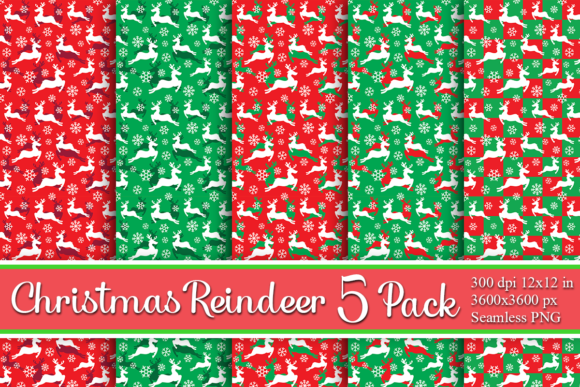
As a graphic designer who spends most of December juggling holiday campaigns for boutique clients, I am always skeptical of seasonal assets that feel too generic. When I first opened the Christmas Reindeer Rudolph Digital Paper collection, my immediate concern was whether these files would hold up under the scrutiny of a real brand identity project or if they were just another set of clipart meant for casual crafting. However, after integrating them into a mockup for a local handmade candle shop's winter launch, I found that this asset offers a surprising level of versatility for professional use.
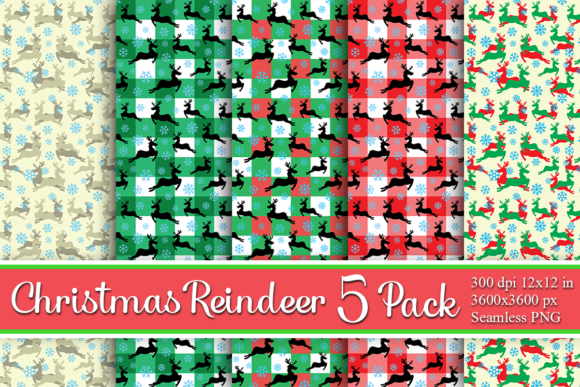
The first impression is defined by a warm, nostalgic mood. Unlike the neon-bright, flat colors often seen in mass-market holiday graphics, these textures carry a subtle depth that suggests quality and tradition. The visual elements feel organic, with soft gradients and patterned details that evoke the feeling of wrapped gifts and cozy winter evenings. This specific style naturally fits clients who are positioning themselves as artisanal, heartfelt, or premium. If you are working with a handmade business or a small business branding project that relies on emotional connection rather than corporate sterility, this direction is spot on.
Integrating Seasonal Patterns into Professional Branding
In a real-world scenario, I tested these patterns across various deliverables for a client launching a limited-edition peppermint bark line. The Christmas Reindeer Rudolph Digital Paper performed exceptionally well in packaging design. We used a subtle reindeer motif as a background texture on the box sleeves, pairing it with a bold serif font for the logo. The result was a cohesive look that felt intentional rather than cluttered. This proves that when used correctly, these textures can elevate a simple cardboard box into a giftable experience.
Beyond physical products, the asset shines in social media graphics and marketing visuals. For Instagram stories and Pinterest pins, the high-resolution files allowed us to create layered compositions where the paper texture served as a grounding element behind product photography. It added a tactile quality to the digital screen, making the digital product feel more tangible to the consumer. For content creators and bloggers, these backgrounds provide an instant holiday theme without requiring hours of custom illustration work.
I also explored its potential for print-on-demand sellers. The patterns translate beautifully onto tote bags and mugs, provided the contrast is managed correctly. For t-shirt design, the repeating motifs work best as all-over prints or large chest graphics, appealing to customers looking for festive but stylish apparel. The key here is treating the asset not just as a background, but as a core component of the creative design narrative.
Strategic Placement and Visual Hierarchy
Understanding where to place this asset is crucial for maintaining visual hierarchy. The Christmas Reindeer Rudolph Digital Paper works best in large layout areas where the pattern has room to breathe. It excels as a hero graphic on landing pages, a decorative accent on invitation suites, or a themed collection header for an Etsy product listing. In these contexts, the pattern supports the brand elements without competing with them.
However, caution is required when applying these textures to small sizes or crowded layouts. Because the reindeer motifs and accompanying details have a moderate level of complexity, shrinking them down for favicon icons or dense text blocks can cause the design to muddy. In minimalist branding projects, overusing these patterns can detract from the clean lines and white space that define that aesthetic. Similarly, for professional corporate materials that require strict adherence to a sober color palette, these festive textures might feel too playful unless heavily desaturated or used as a very faint watermark.
The impact on readability is significant. When placed behind text, the pattern must be dimmed or overlaid with a solid color block to ensure legibility. A common mistake in editorial design and web design is placing dark text directly over a busy pattern. To maintain professionalism and visual trust, always prioritize the clarity of your message over the decorative background. The goal is to enhance audience engagement, not to distract from the call to action.
Practical Designer Notes for Commercial Use
Before committing to this asset for a client project, there are several technical checks every designer should perform. First, test the patterns in black and white. Many commercial printers, especially for bulk packaging design, may run in monochrome, and you need to ensure the reindeer shapes remain distinct without color cues. Second, check the contrast on both light and dark backgrounds. While the default files may be optimized for light modes, you may need to adjust blending modes in Photoshop or Canva to make them pop against darker brand colors.
Preview the files at both small and large scales. What looks crisp on a desktop monitor might pixelate on a mobile device if the resolution isn't sufficient. Always place the design on real product mockups before finalizing. Seeing the pattern wrapped around a cylinder or folded on a box reveals distortions that flat screens hide. If the download includes PNG files, inspect the transparency carefully to avoid unwanted white halos around the motifs. For those using cutting machines, verify if an SVG design version is available for clean cuts in Cricut projects or sticker design.
Typography pairing is another critical consideration. These whimsical, holiday-themed patterns pair wonderfully with handwritten fonts and script fonts that mimic gift tags. They also complement display fonts with a vintage feel. However, they can clash with ultra-modern sans-serif fonts unless you are intentionally aiming for a high-contrast, eclectic look. Finally, and most importantly, confirm the commercial license terms. As a professional, you cannot risk using a graphic design asset in a paid client project without explicit permission for commercial redistribution or end-product sales.
Ultimately, the Christmas Reindeer Rudolph Digital Paper is a robust tool for designers looking to inject seasonal warmth into their work. Whether you are creating a Canva template for social media managers, designing sublimation wraps for tumblers, or crafting a full brand identity for a holiday pop-up shop, this collection offers the right balance of charm and utility. By respecting its limitations and leveraging its strengths, you can deliver a final result that feels polished, professional, and perfectly timed for the holidays.