Reviewing Merry Christmas T Shirt Design 11 for Holiday Stitching
As an embroidery designer who has spent countless hours hooping, stitching, and troubleshooting digital files, I approach every new machine embroidery design with a mix of curiosity and caution. The holiday season is the busiest time for crafters, Etsy sellers, and boutique owners, so having reliable assets is not just a preference—it is a business necessity. Recently, I evaluated Merry Christmas T Shirt Design 11 to determine if it holds up under the needle for real-world projects. This review breaks down how this graphic template performs when translated from a screen to fabric, offering practical insights for those looking to create high-quality handmade products.
First Impressions and Visual Personality
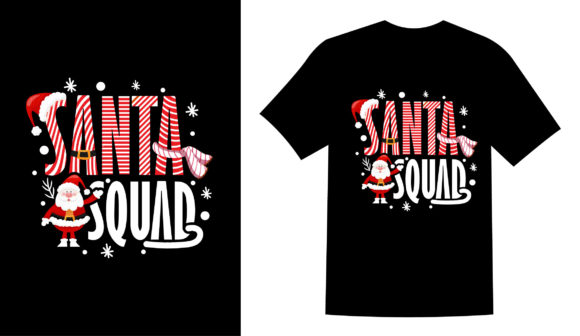
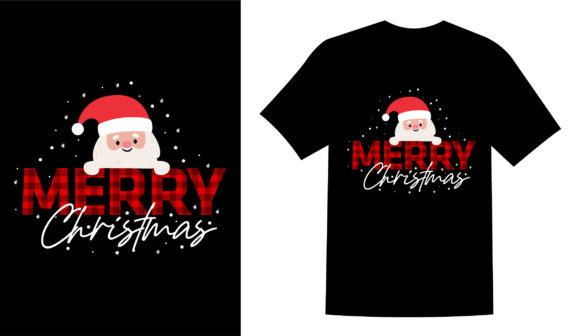
The first thing that strikes you about Merry Christmas T Shirt Design 11 is its balanced composition. In the world of Graphic Templates, many designs suffer from being either too cluttered or too sparse. This design manages to find a sweet spot. The layout suggests a festive mood without relying on overly complex details that might turn into a bird’s nest of thread on smaller hoops. The visual personality is warm and inviting, making it an excellent candidate for holiday embroidery projects that need to feel personal rather than mass-produced.
When viewing the design digitally, I look for clear separation between elements. This is crucial for ensuring that the stitch density does not become overwhelming. For a design intended for apparel, such as a sweatshirt embroidery project or a custom tee, clarity is key. If the lines are too close together, the fabric can pucker, ruining the finish of the finished product. From a designer’s perspective, this asset appears to have been digitized with garment wearability in mind, prioritizing clean lines over excessive fill.
Real-World Application: The Custom Sweatshirt Test
To truly understand the value of an embroidery file, you must imagine it on a specific product. I envisioned using Merry Christmas T Shirt Design 11 for a line of custom family matching sweatshirts. This is a popular request for craft business owners in November and December. The design’s scale seemed appropriate for the left chest area or a larger central placement on a youth-sized hoodie.
In this scenario, the choice of thread colors becomes critical. A classic red and green palette works well, but I also tested the visual appeal using metallic gold and deep navy. The design held its integrity in both combinations. This versatility is vital for small shop products where customers often request custom colorways. Whether you are creating a personalized gift for a neighbor or stocking inventory for a craft fair, the ability to adapt the design to different fabrics and threads increases its commercial viability.
Versatility Across Product Types
Beyond apparel, this design shows promise for various other embroidery projects. Consider its potential on a canvas tote bag design. The sturdy nature of canvas can handle slightly higher stitch counts, allowing the design to pop with vibrant contrast. It would also work beautifully on kitchen textiles, such as a flour sack towel, provided the stabilizer is chosen correctly to prevent distortion on the loose weave.
- Custom Apparel: Ideal for t-shirts, hoodies, and flannel shirts.
- Home Decor: Suitable for pillow covers and festive table runners.
- Accessories: Works well on tote bags and structured caps.
- Gifts: Perfect for baby onesies and personalized ornaments.
For baby embroidery, however, extra care is needed. The softness of infant skin requires that any backing or stabilizer be removed carefully, and the stitch type should not be too abrasive. If this design utilizes dense fill stitch areas, I recommend testing it on scrap fabric first to ensure the texture remains soft enough for sensitive skin.
Technical Considerations for Embroiderers
While the aesthetic appeal is strong, the technical execution determines whether a design is a joy to stitch or a headache to troubleshoot. When working with Merry Christmas T Shirt Design 11, pay close attention to the hoop size. Ensure that your machine’s hoop can accommodate the full width and height of the design without needing to re-hoop, which can lead to alignment issues.
Stabilizer selection is another non-negotiable factor. For stretchy fabrics like jersey knits used in t-shirts, a cut-away stabilizer is essential to maintain the shape of the design after washing. For woven fabrics like linen or cotton twill, a tear-away might suffice, but always test first. The interaction between the fabric texture and the stitch types—whether satin stitch, running stitch, or fill—will dictate the final look.
If the design includes small text or intricate corners, inspect these areas closely in your software before stitching. Tiny details can get lost if the thread thickness is too heavy or if the tension is off. I advise running a test stitch-out on a similar fabric to check for thread breaks or nesting. This step saves time and materials, especially when producing items for commercial embroidery orders.
Navigating Challenges and Limitations
No design is perfect for every situation. There are specific scenarios where Merry Christmas T Shirt Design 11 should be used with caution. For instance, placing this design on a curved surface like a baseball cap requires careful hooping and possibly a foam underlay to raise the stitches for better visibility. Without proper technique, the design may look distorted on the brim or front panel.
Additionally, consider the limitations of dark fabric. If the design relies on fine details, ensure you have high-contrast thread colors. Dark fabrics can swallow subtle stitching, making the design hard to read from a distance. Similarly, avoid using this design on very thin or slippery fabrics without extensive stabilization, as the needle penetration can cause puckering that is difficult to remove.
For digital embroidery file users, always verify the license terms. While many assets are sold for commercial use, confirming that you can sell the finished product is essential for legal peace of mind. Do not assume; check the documentation provided with the download.
Enhancing Brand Value and Customer Trust
Using high-quality design assets like Merry Christmas T Shirt Design 11 directly impacts your brand perception. Customers associate clean, well-stitched embroidery with professionalism. A sloppy or poorly digitized design can undermine trust, whereas a crisp, attractive motif encourages repeat business. For Etsy sellers and creative entrepreneurs, this means investing time in selecting the right files is just as important as marketing.
When creating printable mockups for your online store, ensure the digital representation matches the stitched reality. Misleading images can lead to returns and negative reviews. Use this design to create consistent branding across your holiday collection, reinforcing your shop’s identity through cohesive design assets.
Final Verdict for Makers and Designers
In conclusion, Merry Christmas T Shirt Design 11 is a solid addition to any holiday-themed library. It offers the flexibility needed for diverse applications, from custom apparel to home decor. Its strength lies in its balanced layout and adaptability to different thread colors and fabrics. However, success depends on the maker’s attention to technical details like stabilizer choice, hoop size, and fabric compatibility.
For hobbyists and professionals alike, this design provides a reliable foundation for creating memorable personalized gifts and profitable small shop products. By approaching it with a tester’s mindset—checking tensions, contrasts, and densities—you can ensure that every piece you produce meets the high standards your customers expect. As you prepare for the busy holiday season, let practical judgment guide your creative process, and let quality designs like this one elevate your craft.