Reviewing KDP Word Search Puzzles for Embroidery Projects
As a designer who spends more time staring at stitch maps than most people care to admit, I approach every new machine embroidery design with a mix of curiosity and skepticism. When I first pulled up the files for the KDP Word Search Puzzles Activity Book from Kdp Interiors, my initial reaction wasn't about the puzzle mechanics themselves, but rather how this grid-based, text-heavy aesthetic would translate into thread. We often see digital assets meant for print, but adapting them for custom apparel or home decor requires a different eye. This isn't just about slapping a pattern on a shirt; it's about understanding how density, scale, and negative space interact when a needle hits fabric.
The Visual Personality of Grid-Based Stitching
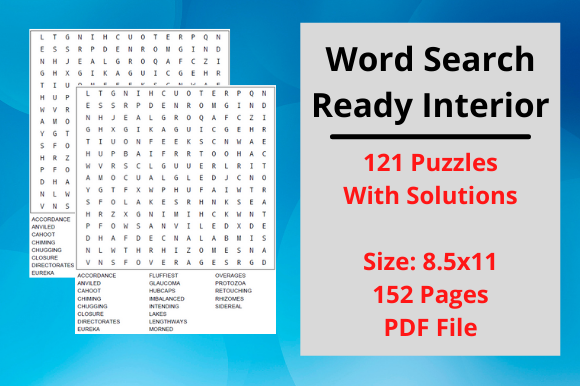
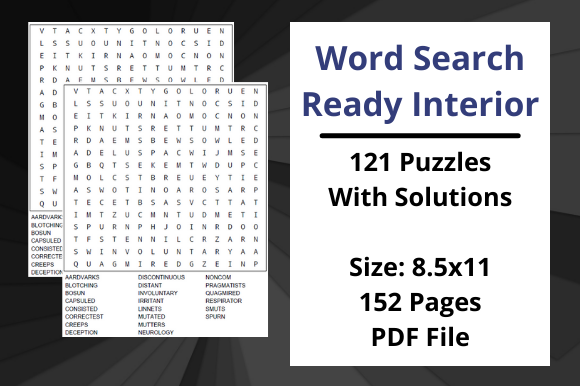
The first thing that strikes you about this collection is its structured, almost architectural mood. Unlike floral motifs that rely on organic flow, the KDP Word Search Puzzles Activity Book leans into geometry. For an embroidery project, this offers a unique challenge and opportunity. The clean lines and uniform blocks create a modern, retro-academic vibe that feels incredibly current. It reminds me of those vintage activity books from the 80s, but stripped down to its essential visual elements.
When evaluating the layout, I'm looking at how the "words" and the grid lines will behave under tension. In a digital file, a straight line is perfect. On a sweatshirt embroidery project, that same line can warp if the stitch density isn't balanced correctly. The design personality here suggests a playful yet intellectual appeal, making it a strong candidate for niche markets like teacher gifts, library-themed merchandise, or cozy weekend wear. It doesn't scream "luxury," but it whispers "thoughtful handmade," which is a powerful position for an Etsy seller or small shop owner to occupy.
Real-World Application: The Custom Tote Bag Scenario
To truly test the viability of these assets, I imagined a specific real-life scenario: creating a limited run of canvas tote bags for a local book club. I wanted to use the grid concept from the KDP Word Search Puzzles Activity Book to highlight the group's favorite literary terms. Here is where the practical judgment kicks in.
For a tote bag design, durability is key. The grid structure of this design works exceptionally well on heavier cotton or canvas because the fabric provides the necessary stability for the straight runs of stitching. If I were to attempt this on a thin, stretchy tee without proper backing, the grid squares might distort, turning perfect rectangles into trapezoids. However, on a sturdy tote, the fill stitch areas of the letters would pop against the texture of the canvas. The contrast between the rigid grid and the soft fabric creates a tactile experience that customers love in a handmade product.
I also considered how this would look as an embroidered patch. Isolating a single word search block or a specific highlighted word from the KDP Word Search Puzzles Activity Book could create a fantastic iron-on or sew-on accessory. Patches allow for higher density stitching without worrying about garment distortion, making them an ideal outlet for the intricate details found in these puzzle layouts.
Navigating Technical Challenges in Stitching
While the aesthetic is charming, we must address the technical hurdles. Text-based and grid-based designs are notorious for being unforgiving. When working with the KDP Word Search Puzzles Activity Book, you need to be hyper-aware of your hoop size and placement. Tiny lettering within a word search can easily become a muddy blob if the resolution of the digital embroidery file isn't high enough or if the thread thickness overwhelms the detail.
There are specific situations where you should proceed with caution. If you are planning baby embroidery on a onesie, the fabric is often too delicate for dense grid work unless you use very fine threads and a lightweight stabilizer. Similarly, curved surfaces like caps present a nightmare for straight horizontal and vertical lines; the curvature of the front panel can make a perfect square look skewed. For holiday embroidery on kitchen towels, consider the absorbency of the fabric. A high-density fill stitch might prevent the towel from drying properly if placed in a functional area, so positioning the design near the hem is crucial.
Furthermore, dark fabrics require special attention. If the design relies on thin running stitch outlines, they might get lost on black or navy material. You may need to adjust the thread colors to ensure high contrast or add a satin stitch border to define the edges of the puzzle grid clearly.
Enhancing Brand Value and Customer Trust
Using a distinctive asset like the KDP Word Search Puzzles Activity Book can significantly boost the perceived value of your small shop product. In a sea of generic monograms, offering a personalized word search featuring a family name, a wedding date, or inside jokes shows a level of creativity that builds customer trust. It transforms a simple item into a conversation piece.
For commercial embroidery projects, consistency is everything. If you are building a brand around literary gifts or educational themes, this design language helps maintain brand recognition. When a customer sees that specific grid style, they should immediately think of your boutique. It adds a layer of professionalism to your printable mockup portfolios and social media previews, showing that you pay attention to thematic cohesion.
Practical Notes for the Working Designer
Before you commit to stitching this on a client's expensive garment, here are my non-negotiable steps for vetting a design like this:
- Test on Scrap Fabric First: Always stitch a sample on the exact same material and weight you plan to use for the final product. Watch how the grid lines behave.
- Check Thread Contrast: Ensure your thread choice stands out against the fabric texture. Low contrast can make the puzzle unreadable.
- Review Stitch Density: Look closely at the preview. Are the letters too close together? Will the needles perforate the fabric too much in one spot?
- Confirm Hoop Size: Make sure the entire puzzle or the specific section you want fits comfortably within your machine's hoop without re-hooping.
- Inspect Small Details: Zoom in on the corners of the grid. Sharp corners often need tie-offs or specific stitch angles to look crisp.
- Mockup in Black and White: Sometimes color distracts from structural flaws. Viewing the design in grayscale helps you see the balance of light and dark areas.
- Verify Licensing: Since this originates from Kdp Interiors, double-check the license terms. Can you sell the finished embroidered items? Can you resell the digitized file? Never assume.
Ultimately, the KDP Word Search Puzzles Activity Book offers a refreshing departure from standard motifs. It invites the maker to think about structure, nostalgia, and personalization in a new way. Whether you are creating a personalized gift for a teacher or expanding your craft business inventory with unique design assets, this collection holds potential. But like any good tool, its success depends entirely on the skill and foresight of the person holding the hoop. Treat it with the respect a complex grid deserves, and you'll end up with a finished product that is both intellectually engaging and visually satisfying.