Review: Christmas Pine Tree Xmas Digital Pattern
As a designer who spends more time staring at stitch maps than most people spend looking at actual trees, I approach every new machine embroidery design with a mix of excitement and skepticism. The market is flooded with holiday motifs, but finding one that balances aesthetic charm with technical stability is rare. Today, I am breaking down the Christmas Pine Tree Xmas Digital Pattern. This isn't just a look at the preview image; this is an evaluation of how this file behaves when it hits the hoop, specifically for those of us running small shops or creating high-end handmade products.
First Impressions and Visual Personality
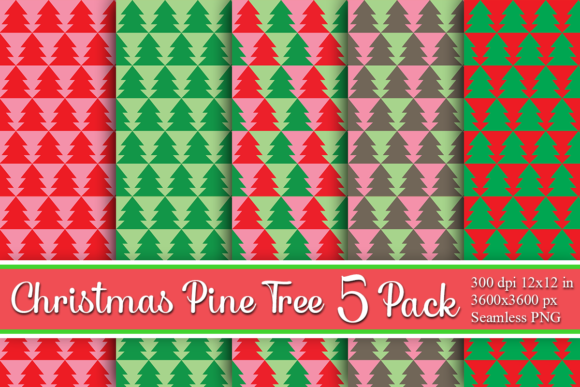
When I first loaded the Christmas Pine Tree Xmas Digital Pattern into my editing software, the immediate takeaway was its grounding in natural Textures. Unlike many holiday designs that rely heavily on cartoonish outlines or overly dense satin blocks, this pattern leans into a more organic feel. The layout suggests a classic pine silhouette, but the internal detailing is where the magic happens. It creates a mood of rustic elegance rather than childish whimsy.
The visual personality here is versatile. It doesn't scream "discount store ornament." Instead, it whispers "boutique holiday decor." For an Etsy seller or a craft business owner, this distinction is vital. Your customers are increasingly savvy; they can tell the difference between a generic clip-art conversion and a thoughtfully digitized embroidery file. This design feels like the latter. The balance of open space and stitched areas suggests it will breathe well on fabric, avoiding that stiff, cardboard-like feel that plagues poor-quality holiday embroidery.
Real-World Application: The Holiday Tote Test
To truly understand the value of this asset, I mentally projected it onto a real-world scenario: a custom canvas tote bag for a local boutique's holiday gift-with-purchase promotion. Canvas is a tricky beast; it has a distinct weave that can swallow fine details if the stitch density isn't managed correctly.
The Christmas Pine Tree Xmas Digital Pattern appears robust enough to handle this medium. The likely use of fill stitch for the tree body, combined with strategic running stitch accents for branches or ornaments, would provide excellent coverage without causing the fabric to pucker excessively. If you are planning sweatshirt embroidery for a family matching set, this design's structure should hold up well against the nap of fleece or French terry, provided you use the right stabilizer.
Imagine this stitched in deep forest green thread on a cream-colored linen pillow cover. The contrast would be striking, offering a sophisticated finished product that elevates a living room instantly. Alternatively, scaling it down for a baby embroidery project on a onesie could work beautifully, turning a simple garment into a cherished heirloom. The design's adaptability makes it a strong contender for diverse embroidery project lists, from kitchen towels to heavy denim jackets.
Technical Considerations and Fabric Compatibility
However, no design is perfect for every situation, and professional judgment requires knowing where to draw the line. While the Christmas Pine Tree Xmas Digital Pattern shines on stable wovens, caution is advised when moving to stretchy knits or textured fabrics like heavy bouclé. On highly textured materials, the finer details of the tree branches might get lost or appear jagged.
If you intend to use this on dark fabric, pay close attention to the underlay settings in your software. A design relying on light thread colors against a black background needs solid underlay to prevent the fabric from peeking through the fill stitch areas. Similarly, if you are attempting this on a curved surface like a cap, ensure the hoop size accommodates the design without distortion. Caps are unforgiving; a design that is too wide or has dense corners can cause registration issues.
Small hoop sizes present another challenge. If the original file is large, resizing it significantly smaller to fit a 4x4 hoop for a pocket logo might compromise the integrity of the tiny branch details. Always inspect the stitch count and density after resizing. If the stitches become too close together, you risk thread breaks and bird nesting. Conversely, if stretched too large, the gaps between stitches may reveal the fabric underneath, ruining the solid look of the pine tree.
Critical Designer Notes for Success
Before committing this design to a client's order or listing it as a small shop product, there are several non-negotiable steps I recommend:
- Stitch a Test Sample: Never skip the scrap fabric test. Use the exact same material and stabilizer combination you plan to use for the final item.
- Check Thread Contrast: Verify that your chosen thread colors provide enough contrast against the fabric. A monochromatic look can be chic, but only if the stitch direction creates enough shadow and depth.
- Review Stitch Density: Look for areas where the design might be too dense, which can cause puckering, especially on lighter weight fabrics.
- Confirm Hoop Size: Ensure your machine's hoop can accommodate the design dimensions without needing to re-hoop mid-stitch, which risks alignment errors.
- Inspect Small Details: Zoom in on the digital preview. Are there tiny isolated stitches that might not catch? These often need manual editing.
- Mockup Verification: Create both color and black-and-white printable mockups to see how the design reads visually before a single thread is spun.
- Licensing Check: Crucially, confirm the license terms. Can you sell the finished product? Can you sell the digital embroidery file itself? Using a design commercially without the proper rights can shut down an Etsy seller account overnight.
Impact on Brand and Customer Perception
Ultimately, the choice of design assets reflects directly on your brand consistency and professionalism. Using a high-quality file like the Christmas Pine Tree Xmas Digital Pattern signals to your customers that you care about quality. It builds trust. When a customer receives a personalized gift or a piece of custom apparel that looks crisp, clean, and professionally executed, they are more likely to return and recommend your shop.
In the world of commercial embroidery, efficiency and reliability are key. A design that stitches out cleanly the first time saves money on thread, stabilizer, and labor. It also reduces the stress of last-minute holiday rushes. Whether you are creating an embroidered patch for a uniform or a delicate accent for a wedding gift, the reliability of your source files determines your success.
The Christmas Pine Tree Xmas Digital Pattern stands out as a practical, aesthetically pleasing option for the upcoming season. It respects the limitations of the machine while maximizing visual appeal. By approaching it with the right preparation—checking your stabilizer, testing your fabric texture, and respecting the technical constraints—you can transform this digital asset into a tangible product that brings joy and value to your customers. It is a solid addition to any designer's library, ready to be adapted for everything from cozy home decor to wearable holiday cheer.